Eastern medicine as a path to balance and wellbeing
Lectures about Tibetan medicine, Ayurveda, and Chinese tradition as living knowledge connected with the body, nutrition, state of mind, and daily life.
Aesthetics Course: Four Creative Sessions
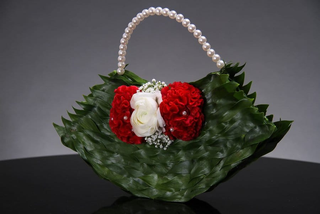
Four monthly sessions exploring floral art, garden aesthetics, jewellery and food presentation, led by Khamba Lama Palden Lamo (Džeinara Ubartienė).
Lectures
Upcoming Meetings
Aesthetics Course: Four Creative Sessions
About the lecture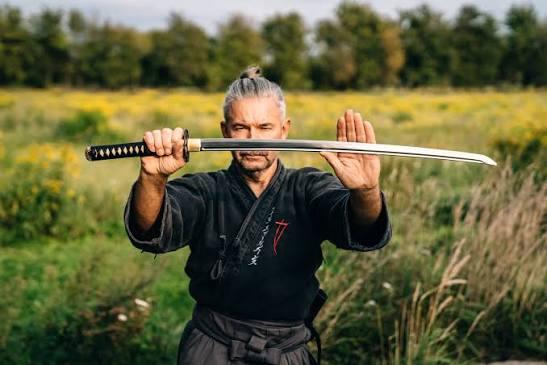
Samurai Training: Bonsai, Park Practice and Tea Ritual
About the lecture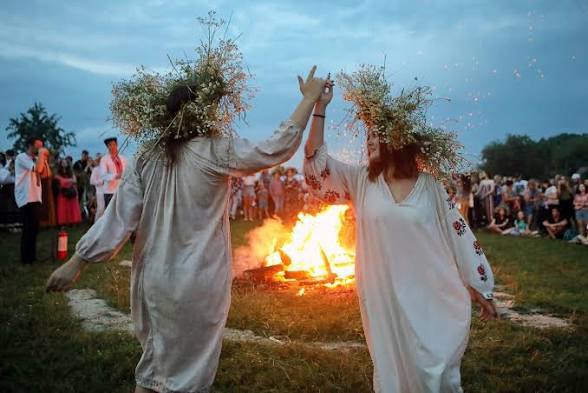
Directions
Eastern and European traditions for understanding a person
Tibetan medicine, Ayurveda, Chinese medicine, and European naturopathic traditions describe a person in different ways, yet each helps us look more attentively at the body, inner state, way of life, and possibilities for restoration.
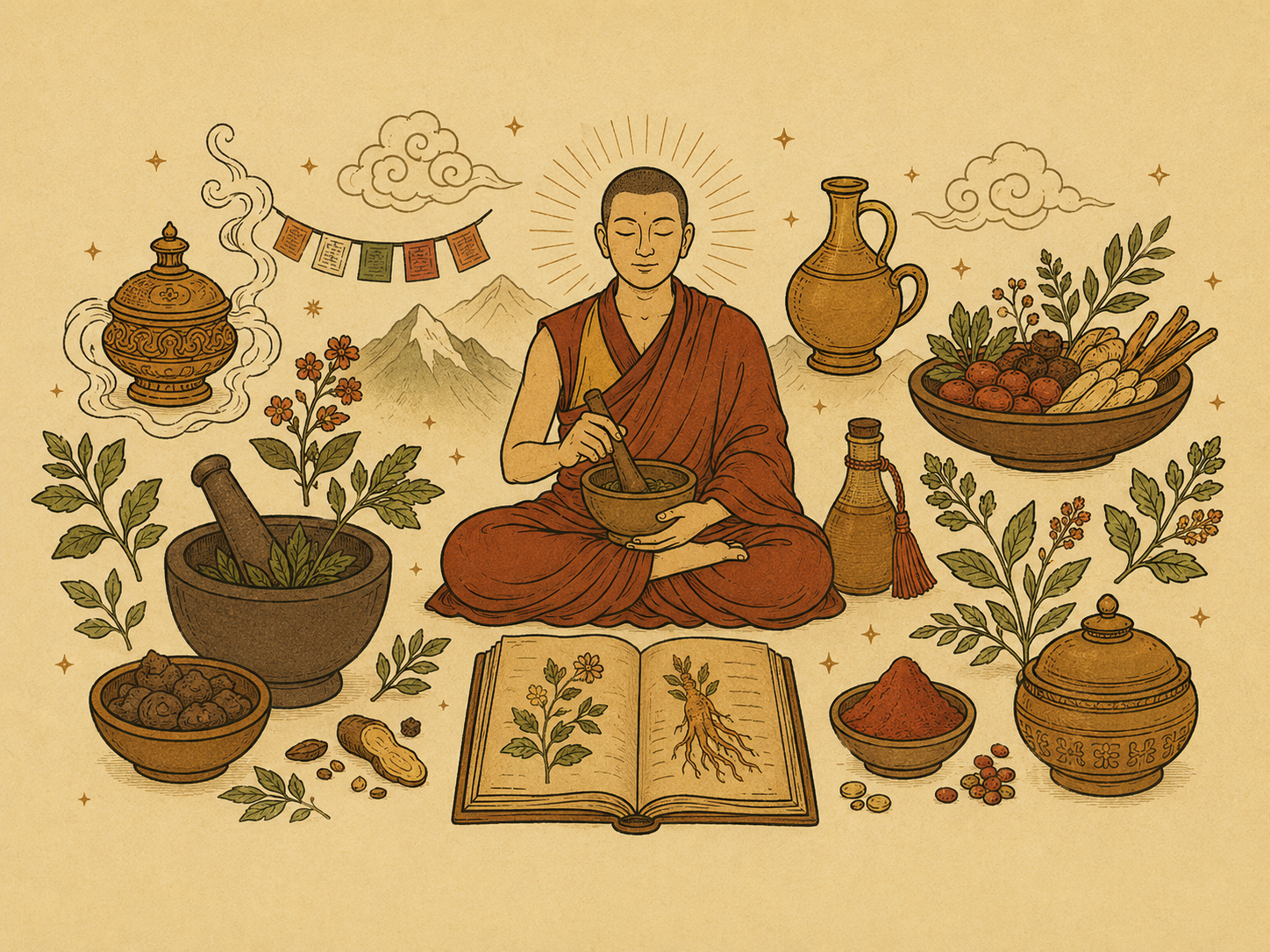
Tibetan Medicine
MoreA traditional view of a person’s state, inner balance, nutrition, lifestyle, and the connection between body and mind.
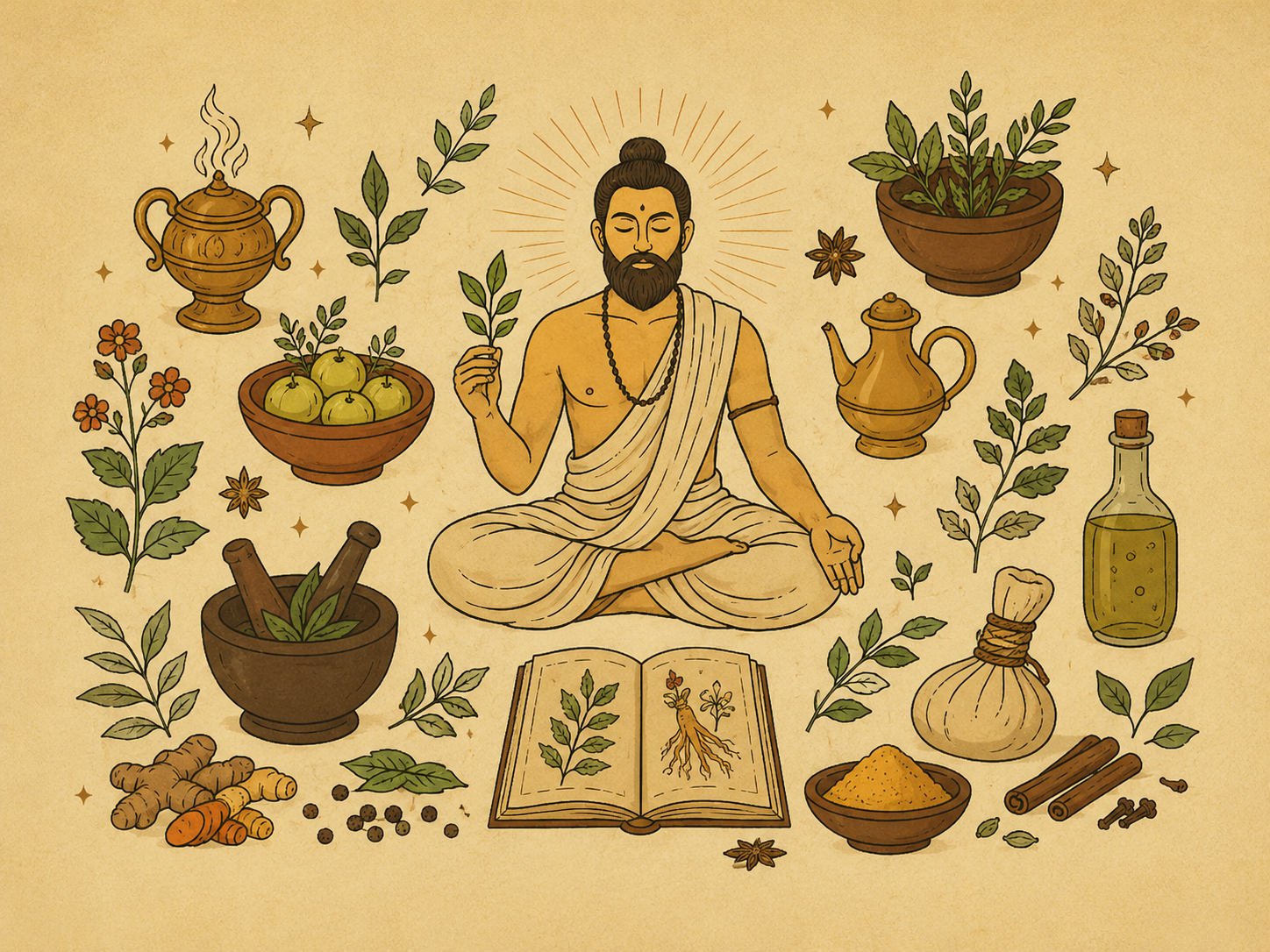
Ayurveda
MoreAn ancient knowledge system about human nature, daily rhythm, nutrition, habits, and maintaining life balance.
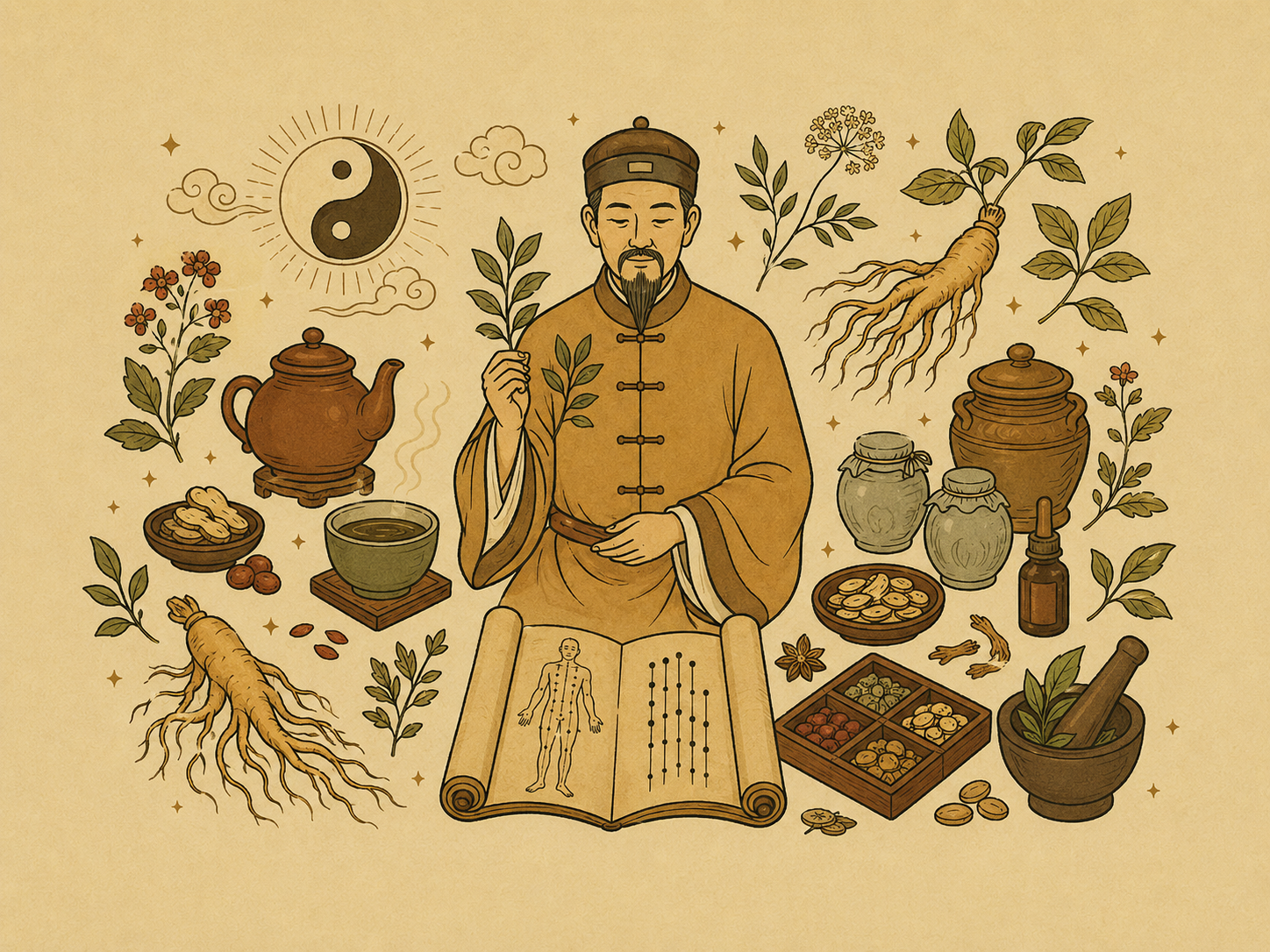
Chinese Medicine
MoreA teaching about seasonality, energy, organ systems, and attentive observation of changes in a person’s state.
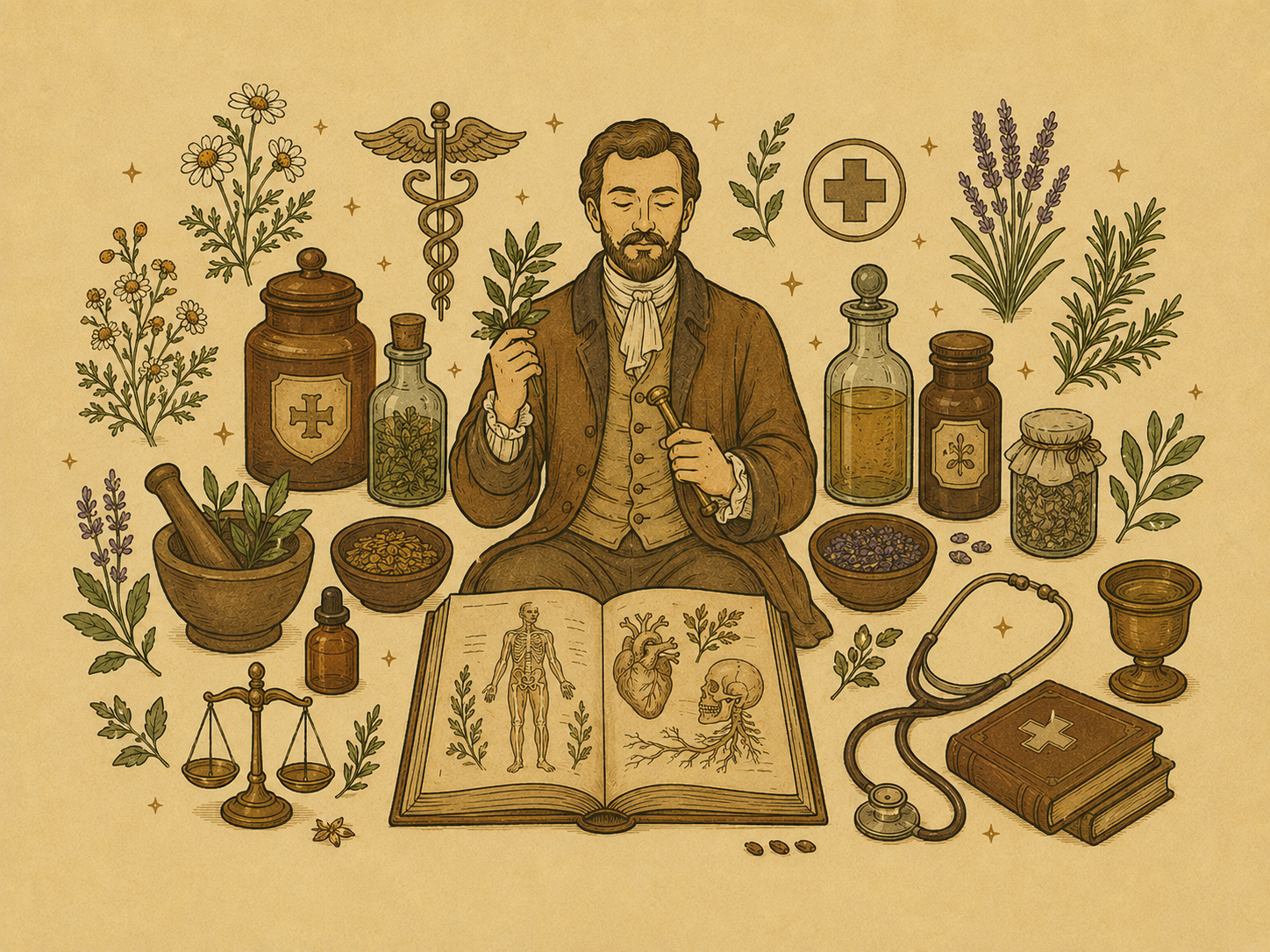
Old European Medicine
MoreOld European Medicine is a European naturopathic tradition encompassing iridology, herbal practices, and gentle approaches to recovery.
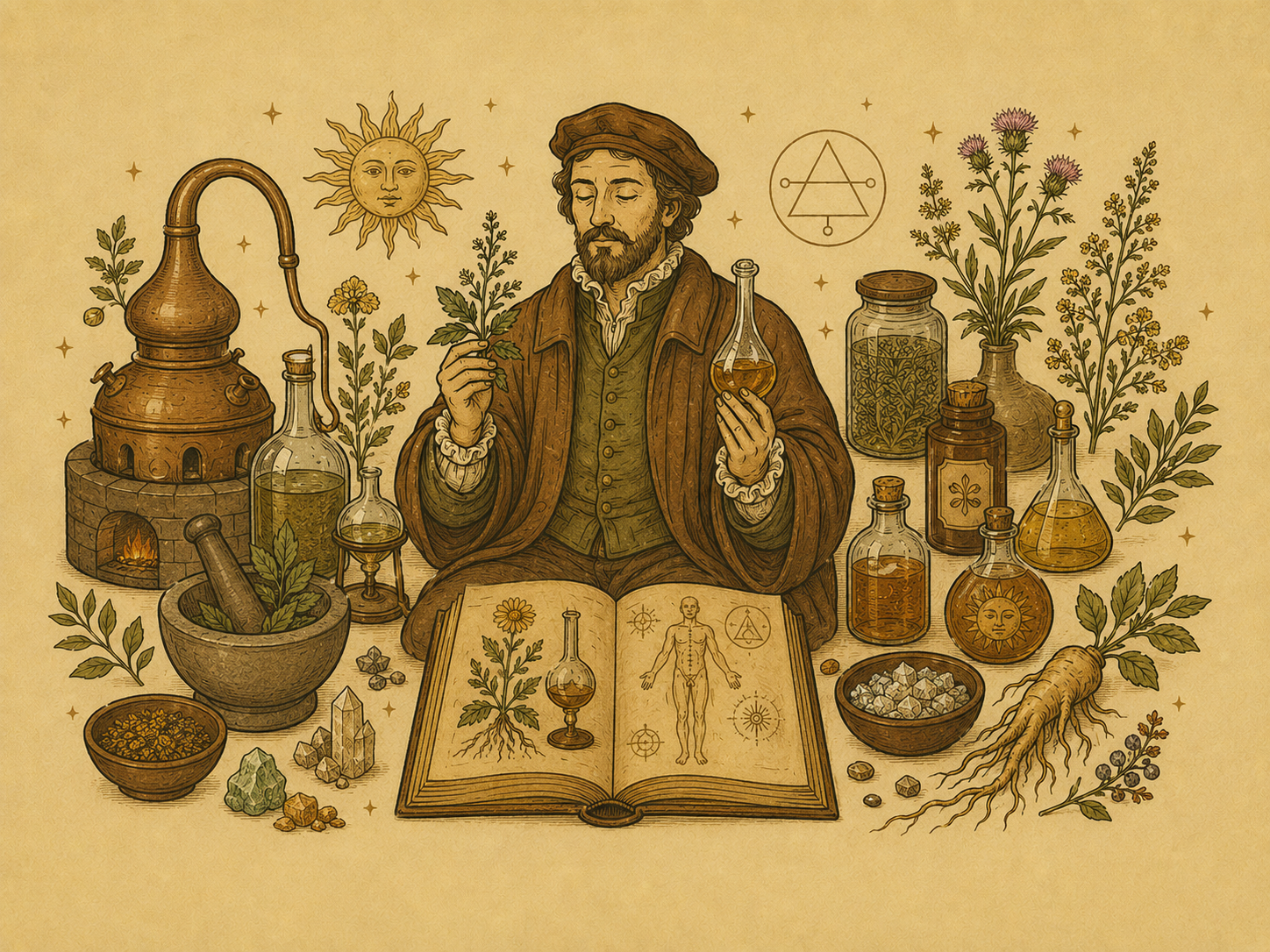
Spagyria Medicina
MoreSpagyria Medicina is a European alchemical tradition based on extracting, purifying, and recombining plant constituents.
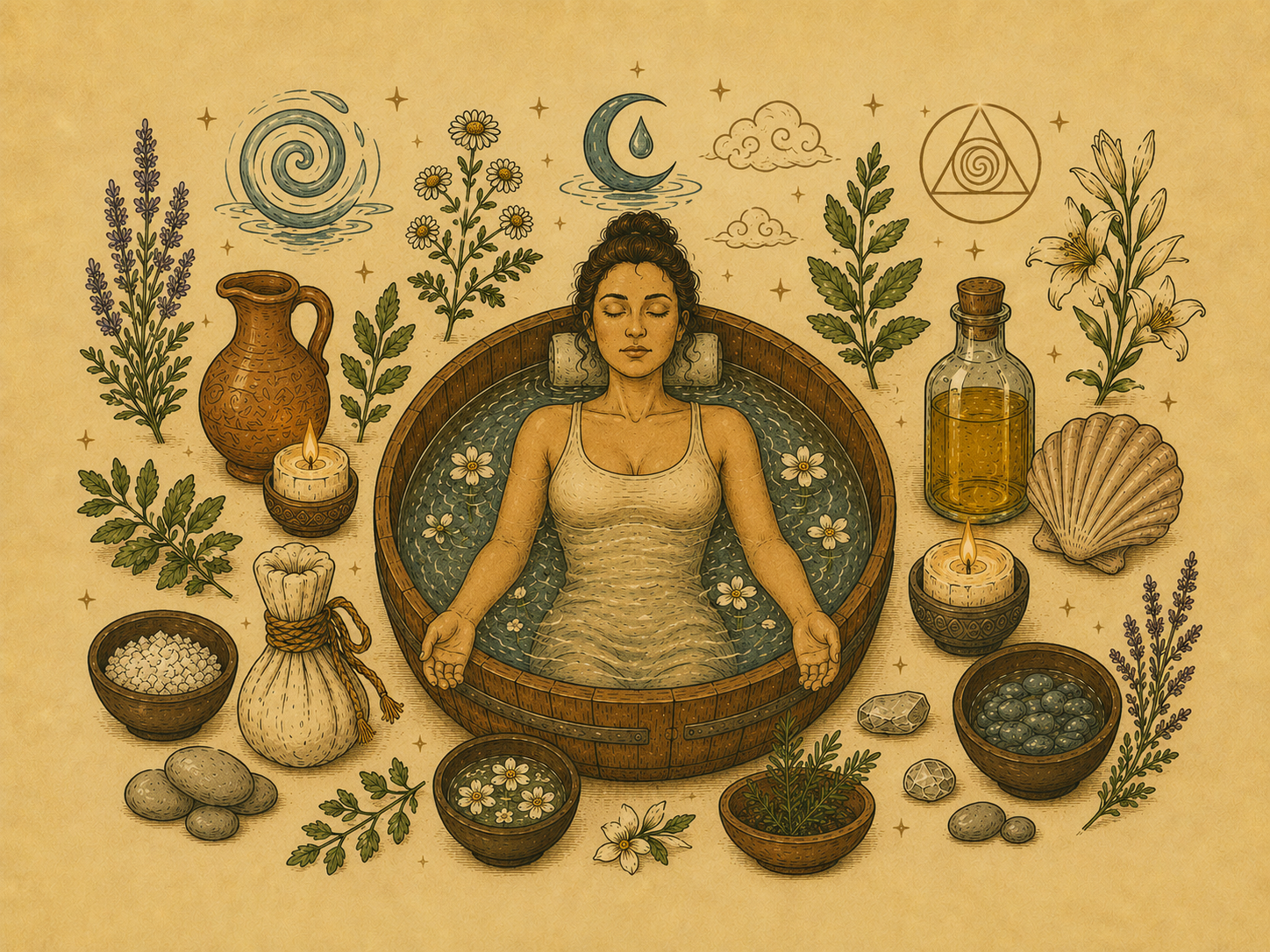
Agua Craneo
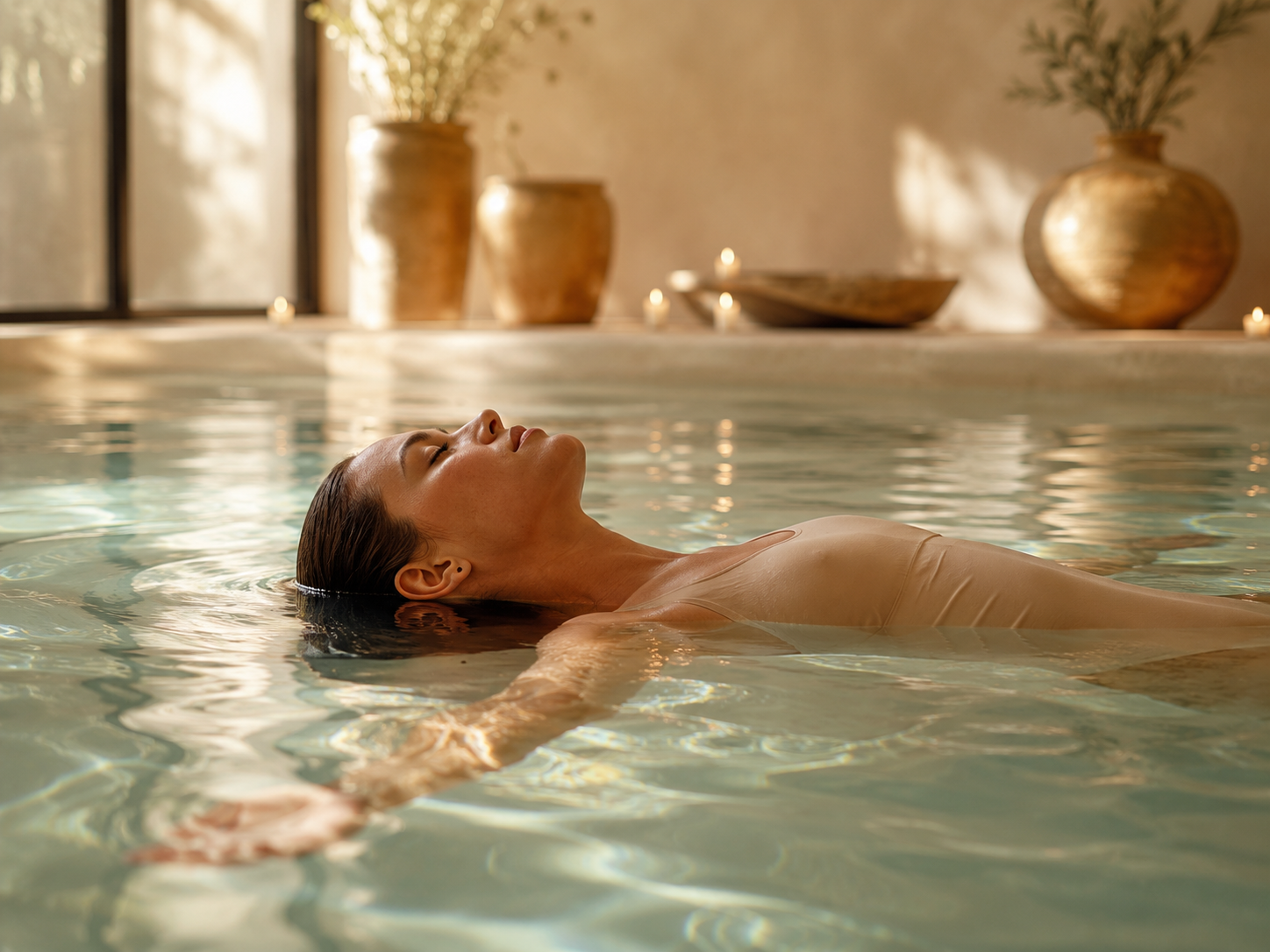
MoreAgua Craneo is a gentle warm-water practice focused on deep relaxation, body awareness, and a sense of inner calm.
Articles
Materials that help you understand your question more deeply
The articles give you a clearer starting point before speaking with Giedrius, so it is easier to name what you want to discuss.
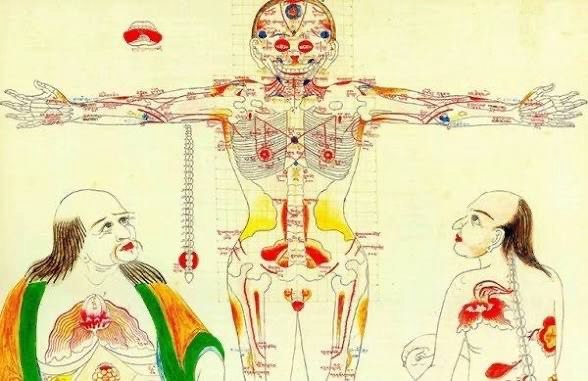
Tibetan morning habits: warm water and gentle movement
A simple morning ritual from the Tibetan tradition: warm water on an empty stomach, calm awakening and a few minutes of movement for the spine and joints.
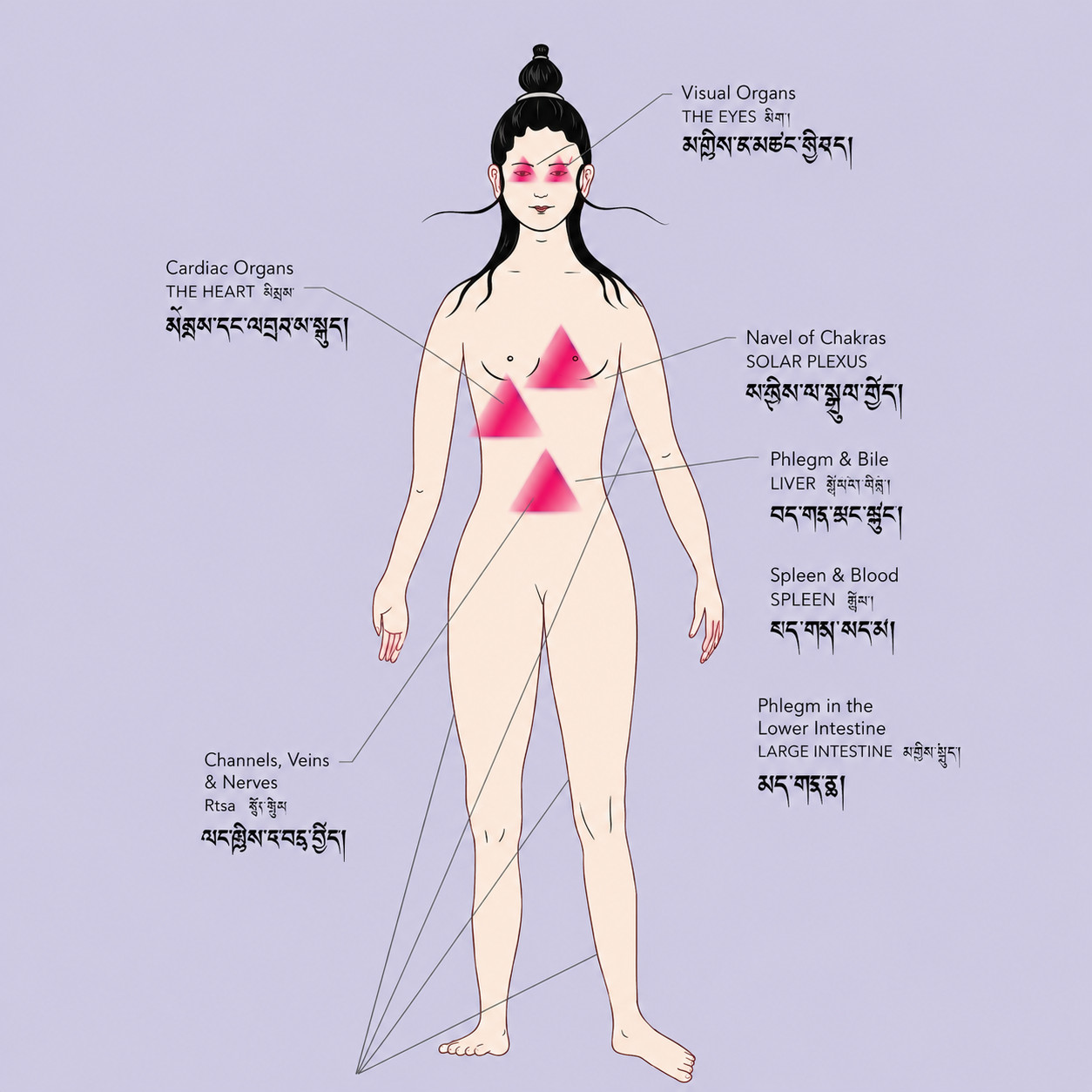
Diet for the Bile constitution in Tibetan medicine
For people of the Bile constitution, moderation, a cooling rhythm, mild food and emotional balance are especially important.
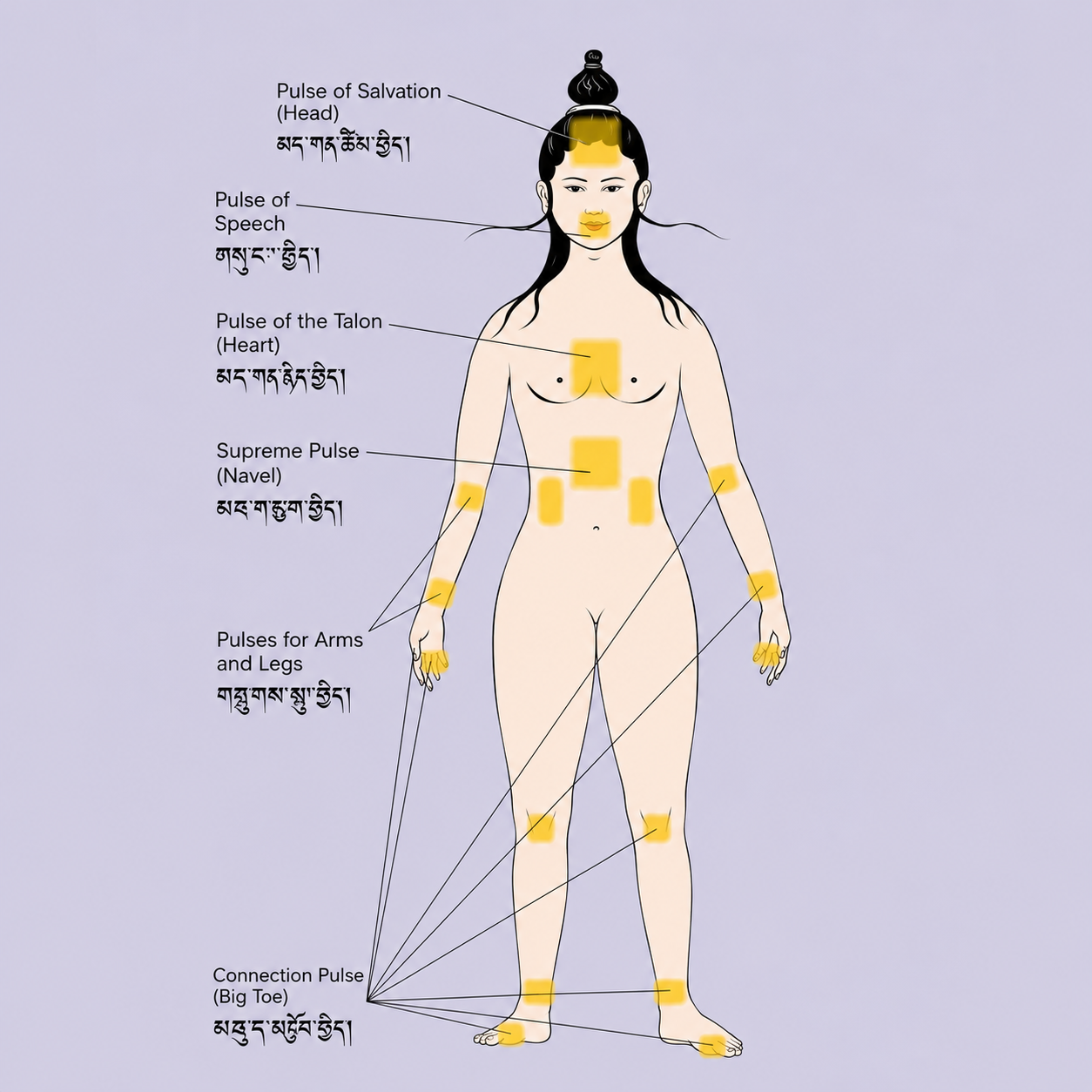
Diet for the Phlegm constitution in Tibetan medicine
For people of the Phlegm constitution, light warm food, activity and avoidance of heaviness and stagnation are especially important.
About the Doctor
Experience shaped by study, practice, and travel
My path is connected with studies of Tibetan medicine, Ayurveda, and Chinese tradition, travel, learning, and many years of practice.
The lectures are created as a living conversation about tradition, experience, observation of a person, and practical application of knowledge.
Contact
Register for a lecture or ask a question
Leave a message, and I will send information about upcoming lectures and possible participation formats.